Bedding · Fabric care
Silk Pillowcases: Comfort, Care, and Everyday Use
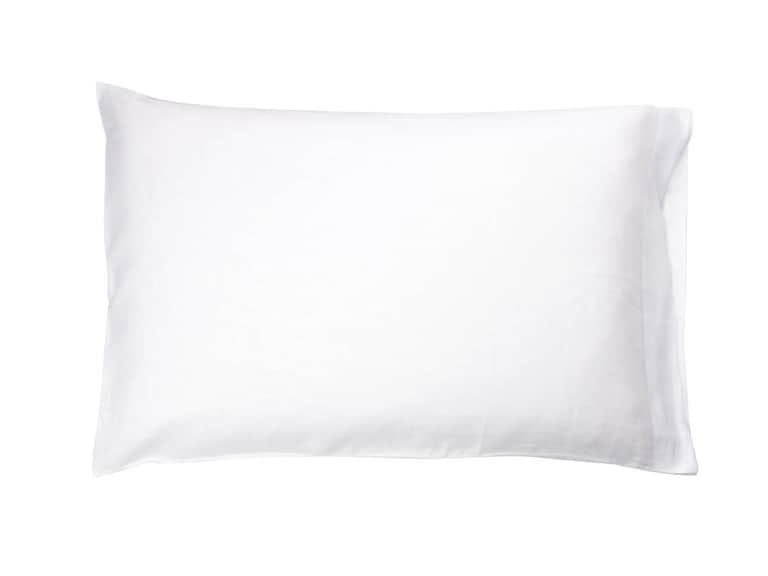
A silk pillowcase is a small change with a conspicuous presence: cool at first touch, smooth beneath the cheek, and a little more exacting in the laundry than the cotton case it may replace. The pleasures are real, but so are the practical questions. What does silk feel like after a week of ordinary nights? How should it be washed? And how do you choose a case that fits the pillow rather than merely flattering it on a product page?
There is a particular moment, just before sleep, when the bedroom’s ambitions meet its realities. The duvet may be artfully turned down; the lamp may suggest that one has read more than three pages. But the pillowcase, where the face actually rests, has its own argument to make. It can feel crisp, napped, cool, or slick. It can hold heat, release it, wrinkle into a small landscape, or emerge from the wash looking as though it had never encountered a washing machine.
Silk occupies an unusual place in this domestic drama. It is a natural protein fiber, spun by silkworms, and prized for a surface that feels smooth without being heavy. In bedding, mulberry silk is commonly used for its fine, even fibers and refined finish. Gingerlily’s silk collection illustrates the appeal: a light, fluid fabric with a polished look, intended for people who want a softer, more gliding feel than cotton or linen usually provides.
A pillowcase, however, is not a miracle in a rectangle. Its comfort depends on the silk itself, the construction, the pillow underneath, the room’s temperature, and the sleeper’s habits. The most useful way to consider one is not as a symbol of luxury, but as a textile with particular strengths, limits, and care requirements.
What silk feels like in daily use
The first impression is usually smoothness. Silk’s surface has less of the familiar texture of cotton percale and less of linen’s visible, irregular character. It glides rather than catches. For some sleepers, that means a pleasingly cool, clean sensation against the skin; for others, it can feel almost too slippery, especially when the pillowcase is new or the pillow itself is plump and springy.
That difference is not merely decorative. A smooth surface changes the way a pillowcase moves as you turn. Hair may encounter less friction than it would against a rougher weave, and the fabric can feel gentle against the face. These are reasonable comfort considerations, though a pillowcase should not be treated as a treatment for skin or hair concerns. Results vary, and factors such as skincare, hair texture, humidity, and sleep position matter more than any single textile claim.
Silk is also lightweight. It does not have the crisp, substantial hand of a dense cotton sheet, nor the dry, airy texture associated with linen. Instead, it drapes close and feels delicate without necessarily being flimsy. The effect can be particularly appealing for a pillowcase, where a fabric’s first contact is immediate and the area in use is relatively small.
Temperature is more complicated than the usual shorthand suggests. Silk can feel cool when first touched, and its lightness may appeal to people who dislike a heavy layer near the face. But a pillowcase does not control the temperature of the entire bed. The fill of the pillow, the duvet, the room, and the sleeper all contribute. Anyone who sleeps hot should consider the whole arrangement, rather than expecting the pillowcase alone to settle the matter.
Mulberry silk and the details worth checking
“Silk” is a broad label, and a little attention to specifications can make comparison less mysterious. Mulberry silk refers to silk produced by silkworms raised on mulberry leaves. Products made from it are often described as smooth and uniform, qualities that suit bedding’s close contact with skin. But the name alone does not tell you everything about a pillowcase’s thickness, finish, construction, or expected lifespan.
Look for clear information about fiber content, dimensions, closure, and washing instructions. If a listing provides a weight in momme, that measurement offers one indication of silk’s density; it is not a complete measure of quality, and a higher number does not automatically mean a better match for every sleeper. A lighter case may feel particularly airy, while a denser one may have more substance. The right choice depends on preference and how the piece will be used.
Check whether the pillowcase is sold individually or in a pair, and whether its dimensions correspond to your pillow. “Standard,” “queen,” and “king” can refer to different measurements across manufacturers. Even a small mismatch can make a case pull tight at the corners or leave excess fabric to fold under the head. If the pillow has a generous loft, measure its length, width, and depth where possible; a case that fits comfortably should not compress the fill or strain at the seam.
Construction deserves a glance, too. A neat seam, secure closure, and carefully finished edges help a delicate fabric withstand regular handling. An envelope closure can be simple and unobtrusive; a zipper may keep a pillow more firmly contained but should be handled without yanking the fabric. Silk asks for care, but it need not be treated as an artifact. It is bedding, intended to be used.
Silk alongside cotton and linen
Comparing silk with other luxury pillowcases is a matter of sensation more than rank. Cotton sateen, for instance, has a smooth face and a soft sheen, but it is generally more substantial and familiar in the wash. The Bovi Angele pillowcases and shams offer a 300-thread-count cotton sateen surface, finished with restrained embroidery. They are a useful point of comparison for anyone drawn to silk’s polished appearance but wanting cotton’s more conventional care routine.
Linen makes a different case altogether. Its natural texture is visible and tactile; it tends to relax with washing, and its slightly irregular surface is part of its character. The Classics Geneva linen pillowcase is made from lightweight linen with a flange finish. It will not mimic silk’s sliding smoothness, but it may suit someone who prefers breathability and a more relaxed, matte look.
None of these fabrics is universally superior. Silk feels sleek and fluid. Cotton sateen offers a smooth, more substantial hand. Linen brings texture and an easy, lived-in drape. A person who changes position often may care most about how the case moves beneath the head; someone else may care about washability, seasonal comfort, or the appearance of a carefully made bed. The decision becomes simpler once the question shifts from “Which is most luxurious?” to “Which texture do I want to meet every night?”
Washing silk without turning it into a project
Silk’s reputation for fussiness is not entirely undeserved, but the routine is manageable. Follow the care label first: finishes and construction differ, and the manufacturer’s instructions should take precedence over generic advice. For silk bedding, gentle washing with a mild detergent formulated for silk is a prudent starting point. Avoid bleach, harsh stain removers, and strong alkaline products, which can weaken or alter delicate fibers.
If machine washing is permitted, use a delicate cycle, cool water, and a mesh laundry bag if one is recommended. Turn the pillowcase inside out where the care instructions advise it, and wash it with similarly delicate items rather than with towels, jeans, or anything fitted with hooks and zippers. The washing machine is not a moral test; it is simply a place where fine fabric can snag if given the wrong company.
Hand washing may be appropriate for some silk items, but it should not become an improvised chemistry experiment. Use cool water and a small amount of suitable detergent, move the fabric gently, and avoid rubbing or twisting. Rinse carefully, then press excess water out between clean towels. Wringing can distort the weave and place unnecessary strain on seams.
Drying matters as much as washing. Air drying is generally the gentlest option. Lay the pillowcase flat or hang it in a shaded, well-ventilated place, following the care label. Direct sunlight can affect color, while high heat can damage delicate fibers. If ironing is allowed, use a cool setting and, where specified, iron the fabric inside out while it is slightly damp. A steamer may be suitable for some products, but check the label rather than assuming every silk finish welcomes steam.
Silk may crease. That is not evidence that it has been ruined, nor is every crease an invitation to apply heat. Smooth the case gently after washing and let it dry in a tidy shape. When storing it for a season, keep it clean and dry, away from rough surfaces and prolonged direct light.
Everyday habits that help preserve the fabric
A few small habits make silk easier to live with. Keep fingernails, jewelry, and rough fasteners from catching the fabric when making the bed. If you use hair products, skincare, or oils that could transfer, allow them to dry before settling in. This is ordinary housekeeping, not a demand for a nightly ritual conducted with white gloves.
Wash the pillowcase regularly, as you would other bedding, while balancing hygiene with the textile’s care needs. A gentle detergent and a delicate cycle can help maintain that balance. If a spill or mark occurs, blot rather than rub, and consult the care instructions promptly. Aggressive spot cleaning can leave a pale patch or disturb the finish even when the original stain seemed minor.
Rotating between two pillowcases can reduce pressure on a single one and make laundry scheduling less awkward. It also means the bed is not dependent on one small, highly specific object being clean at exactly the right moment. For a case that is washed frequently, that practical redundancy can be more valuable than a grander promise about longevity.
Durability depends on fiber quality, construction, frequency of use, washing methods, and how the pillowcase is handled. Silk is not indestructible, but neither should it be regarded as inherently too delicate for everyday use. The sensible approach is to use it often, care for it thoughtfully, and understand that a natural textile may show signs of life over time.
Choosing a pillowcase that suits your sleep
Begin with the pillow. Measure it, check its loft, and compare those dimensions with the case. A close fit can look neat, but excessive tension can stress the seams and flatten the pillow. Too much spare fabric, meanwhile, may bunch under the cheek. If you use a pillow protector, account for its added thickness.
Then consider sensation. If you like a crisp, cool surface, cotton percale may be more appealing. If you prefer a smooth hand with a little body, sateen is worth considering. If you want a fluid, low-friction feel and are willing to follow a more delicate care routine, silk may be the right choice. Linen is a strong contender for those who like texture and an unstudied finish.
Think about the room and the rest of the bed, but do not let coordinated styling obscure comfort. A silk pillowcase can sit alongside cotton or linen sheets; the bed need not be composed of one material from head to foot. Different fabrics can be layered according to touch, temperature, and care requirements. In fact, a mixed arrangement often makes more practical sense than a single-fabric ideal.
Finally, read the instructions before buying, not after the first wash. Confirm whether machine washing is permitted, what temperature is recommended, whether tumble drying is prohibited, and how the item should be ironed or stored. If the instructions sound incompatible with your household routine, that is useful information. Luxury is less persuasive when it requires a laundry arrangement no one can maintain.
A more considered kind of luxury
The appeal of silk pillowcases is modest in scale and immediate in effect. They change the first contact between the sleeper and the bed: a cool touch, a smooth glide, a fabric that feels distinct from the cotton cases most people know. For some, that is enough. For others, the care requirements or slippery feel will make cotton or linen the more satisfying choice.
Gingerlily silk pillowcases belong in the conversation for anyone comparing luxury pillowcases and considering mulberry silk. The most useful comparison is not between labels, but between daily experiences: how a fabric feels against the face, how it fits the pillow, how it behaves through the night, and how much attention it asks for on laundry day. Those questions are unglamorous, which is often another way of saying they are the right ones.
Choose silk because you enjoy its particular surface, not because a silk label promises to solve every problem associated with sleep, skin, or hair. Wash it gently, let it air dry, and pay attention to the care instructions. Then allow the pillowcase to be what it is: a thoughtful textile, useful every night, whose luxury is less a spectacle than a small, recurring pleasure.